How to Apply for a Vietnam Online Visa: The Definitive 2026 Guide for Travelers in Thailand
Planning a trip from the golden temples of Bangkok to the vibrant streets of Ho Chi Minh City or the breathtaking karst landscapes of Ha Long Bay has never been easier. Gone are the days of navigating through heavy traffic on Wireless Road to stand in line at the Embassy.
In 2026, the Vietnam Online Visa (E-visa) has become the gold standard for entry. But while the process is digital, it isn’t always “simple.” A single typo or a low-quality photo can result in a rejected application, a missed flight from Suvarnabhumi, or a stressful standoff at the boarding gate.
This comprehensive guide will walk you through exactly how to apply for a Vietnam online visa, providing the insider tips you need to ensure a 100% approval rate.
1. What Exactly is the Vietnam Online Visa (E-visa)?
The Vietnam Online Visa, or E-visa, is a digital travel authorization issued by the Vietnam Immigration Department. As of the 2026 updates, this system has been significantly expanded to be more traveler-friendly:
-
Validity: Up to 90 days.
-
Entries: You can choose between Single Entry or Multiple Entries (perfect for those doing a “regional loop” from Thailand to Vietnam, then to Laos or Cambodia, and back).
-
Eligibility: Currently open to citizens of all countries and territories worldwide.
-
Process: 100% online—no passport shipping or embassy visits required.
Why this matters for travelers in Thailand:
Whether you are a Thai citizen needing more than 30 days of travel or an expat (from the UK, US, Europe, or China) living in Bangkok or Chiang Mai, the Online Visa is your primary gateway. Unlike traditional visas, the E-visa is linked electronically to your passport, though you must still carry a printed copy.
2. Preparation: What You Need Before Starting
Before you sit down to fill out the form, gather these documents. “Human error” in the preparation phase is the #1 reason for visa delays.
A. Passport Requirements
-
Validity: Your passport must be valid for at least six months beyond your arrival date in Vietnam.
-
Format: You need a high-quality, full-page scan or photo of your bio-data page (the one with your picture and the machine-readable zone at the bottom). Ensure no glare or fingers are covering the edges.
B. The Portrait Photo (The “Make or Break” Step)
The AI system at Vietnam Immigration is notoriously picky. Your photo must be:
-
Recent (taken within the last 6 months).
-
On a plain white background (no shadows, no patterns).
-
Looking straight ahead with a neutral expression (no smiling).
-
No glasses (even prescription ones) and no hats/headcoverings (except for religious reasons).
C. Entry and Exit Points
You must decide your entry and exit points before applying. If your E-visa says “Noi Bai Airport” but you try to enter via “Tan Son Nhat,” you may be denied entry. For those doing a Vietnam Visa Run from Thailand, this is crucial—ensure you select the correct land border (like Moc Bai) if you aren’t flying.
3. Step-by-Step Guide: How to Apply for a Vietnam Online Visa
Follow these steps precisely to avoid the “Incomplete Information” status that can delay your trip for weeks.
Step 1: Access the Secure Portal
How to Apply for a Vietnam Online Visa: The Definitive 2026 Guide for Travelers in Thailand
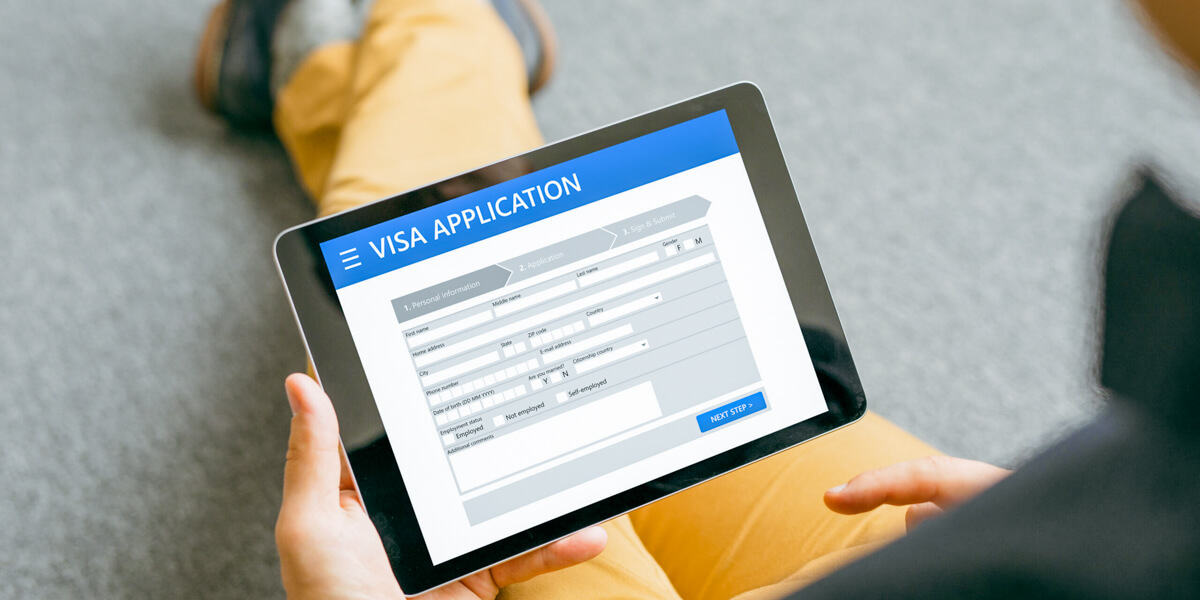
While there is a government portal, many travelers in Thailand prefer using a professional service like Visaonlinevietnam.com to avoid the frequent crashes, payment gateway failures, and technical glitches of the official site.
Step 2: Fill in Personal Information
Enter your full name exactly as it appears in the ICAO line (the bottom two lines of your passport). If your name has special characters or multiple middle names, do not skip them.
Step 3: Travel Details
-
Intended Date of Entry: You can enter on or after this date, but never before.
-
Intended Length of Stay: Choose 30 or 90 days.
-
Purpose of Entry: Usually “Tourism” or “Business.”
Step 4: Uploading Media
This is where most people fail. Ensure your passport image and portrait photo are under 2MB and in .jpg or .png format. If the system says “Low resolution,” retake the photo in natural daylight.
Step 5: Review and Pay
How to Apply for a Vietnam Online Visa: The Definitive 2026 Guide for Travelers in Thailand
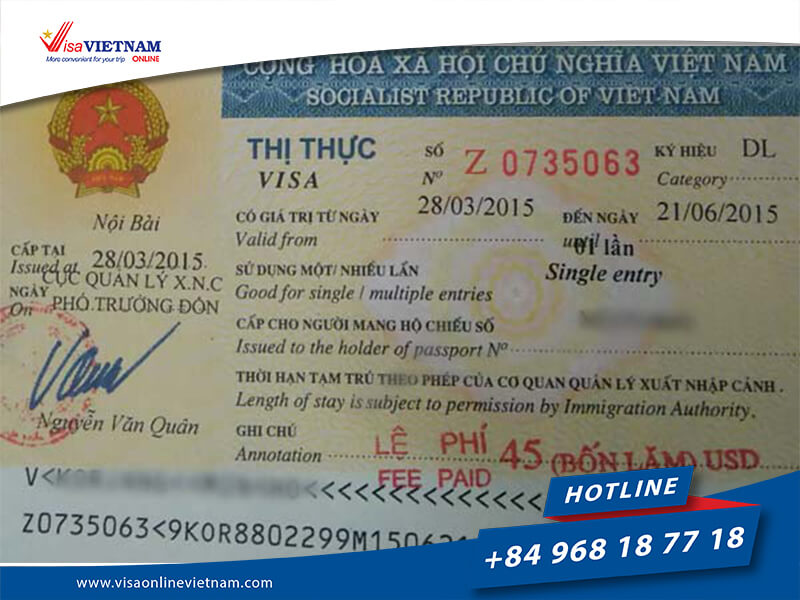
The standard government fee for a single entry is $25, and $50 for multiple entries. However, using a credit card from a Thai bank (like Kasikorn or SCB) on the official portal often results in a “Transaction Failed” message due to international 3D-secure protocols. If this happens, using a specialized agency ensures your payment is processed immediately.
4. Processing Times: When Should You Apply?
In 2026, the standard processing time is 3 to 5 business days. However, “Business Days” do not include Saturdays, Sundays, or public holidays in Vietnam.
The “Dual-Holiday” Trap
If you are applying from Thailand, you must be aware of both calendars. For example:
-
If it’s Songkran in Thailand, the Embassy is closed, but the E-visa system in Vietnam might be working.
-
If it’s Tet (Lunar New Year) in Vietnam, the entire system might pause for 7 days, even if you are working in Bangkok.
Recommendation: Apply at least 2 weeks before your flight. If you are reading this and your flight is tomorrow, you must use an Emergency Online Visa service to get approval in 1-4 hours.
5. Common Pitfalls and How to Avoid Them
As experts who have seen thousands of applications, here are the “Human” mistakes we want you to avoid:
-
Wrong Passport Number: It sounds simple, but mistyping a “0” (zero) for an “O” (letter) is common.
-
Date Format Confusion: Vietnam uses DD/MM/YYYY. If you use the US format (MM/DD/YYYY), your visa dates will be wrong.
-
The “Check Status” Ghosting: Sometimes the official portal doesn’t send an email when your visa is ready. You have to manually check the status using your registration code. If you lose that code, retrieving your visa is nearly impossible without help.
6. How to Use Your E-Visa Upon Arrival
Once approved, you will receive a PDF file. You must print this out. While Vietnam is becoming more digital, immigration officers at airports like Da Nang or Cam Ranh still require a physical paper copy to stamp. Do not rely on showing the PDF on your phone; the officer may ask you to leave the line and find a printer, which is a nightmare after a long flight.
7. Frequently Asked Questions (Q&A)
Q: Can I apply for a Vietnam Online Visa if I am already in Vietnam? A: No. You must be outside of Vietnam to apply for an E-visa. Most expats in Vietnam do a “Visa Run” to Bangkok or Cambodia, apply for the E-visa while in Thailand, and then return once it’s approved.
Q: What if I am an expat in Thailand with a Chinese/Indian passport? A: You follow the same online process. However, for certain passport types, the vetting process may be slightly longer. Ensure you provide a clear hotel address in Vietnam for your first night.
Q: Does the Online Visa work for land borders? A: Yes! It is valid for 13 airports, 16 land borders, and 7 seaports. This is perfect for the “Bangkok-Cambodia-Vietnam” overland route.
Q: My E-visa has a small typo. Is it still valid? A: No. Vietnam Immigration is very strict. Even a one-letter mistake in your name or one digit off in your passport number can lead to you being sent back on the next flight. It is better to re-apply than to risk it.