Are you planning a quick getaway from the bustling streets of Bangkok to the serene landscapes of Da Nang or the historic charm of Hanoi? One of the most frequent questions we receive at the Vietnam Embassy in Thailand is: “Do I actually need a visa, or am I exempt?”
The answer isn’t always as simple as it seems. Your eligibility for a Vietnam visa exemption depends heavily on your nationality, the duration of your stay, and even your family ties. In this 2026 updated guide, we break down exactly who can enter Vietnam visa-free and what conditions you must meet before heading to Suvarnabhumi or Don Mueang airport.

Vietnam Visa Exemption 2026: A Complete Guide for Travelers from Thailand
1. The 30-Day Rule: Visa Exemption for Thai Citizens
As a member of ASEAN, Thailand enjoys a strong bilateral agreement with Vietnam. If you are a Thai passport holder, you are granted a 30-day visa exemption for tourism, visiting relatives, or short-term business.
Key Details for Thais:
Stay Duration: Max 30 days per entry.
Purpose: Tourism, meetings, and transit.
Entrance: Available at all 33 international border gates (Air, Land, Sea).
Important Note for 2026: If you plan to stay in Vietnam for 31 days or more, or if you need to enter and exit multiple times for business within a short window, you cannot rely on this exemption. In such cases, you must apply for a 90-day Vietnam E-visa before your departure.
2. Exemption for Western Expats and Tourists in Thailand
Thailand is a major hub for global travelers and digital nomads. If you are an expat living in Thailand (e.g., from Europe, the UK, or the US), your visa-free status is determined by your original passport’s nationality, not your Thai residency permit.
As of 2026, Vietnam has expanded its unilateral visa exemption list. Citizens from countries such as Germany, France, Italy, Spain, the UK, Russia, Japan, and South Korea can now stay in Vietnam for up to 45 days without a visa.
What if my country isn’t on the exemption list?
If you hold a US, Australian, or Canadian passport, you currently do not have a visa exemption. Even for a 1-day trip from Bangkok to Ho Chi Minh City, you must secure an E-visa. We’ve seen many travelers turned away at the AirAsia or Thai Vietjet check-in counters because they assumed their “Western status” granted them automatic entry. Don’t let this be you!
3. The 5-Year Visa Exemption: For Overseas Vietnamese and Spouses
This is a specialized category often handled directly by our consular department in Bangkok. If you are a Vietnamese residing in Thailand (Việt Kiều) or you are the spouse/child of a Vietnamese citizen, you are eligible for a 5-year Visa Exemption Certificate.
Benefit: Allows you to stay for up to 6 months per entry without needing a new visa.
Application: This requires a physical application at the Embassy on Wireless Road, Bangkok. You must provide proof of relationship (Marriage/Birth certificates) translated and legalized.
4. Mandatory Conditions for Visa-Free Entry
Even if you are eligible for an exemption, the Vietnamese Immigration Department requires you to satisfy these “Golden Rules” to pass through the gates:
Passport Validity: Your passport must be valid for at least 6 months from your arrival date. We strongly advise checking this weeks in advance, as airlines in Thailand are very strict on this point.
Blank Pages: Ensure you have at least two blank pages for entry and exit stamps.
Return/Onward Ticket: While not always checked by immigration officers, airline staff in Thailand (like Bangkok Airways or Thai Airways) will often demand to see proof that you are leaving Vietnam within the exempt period before they issue your boarding pass.
5. Frequently Asked Questions (Q&A)
Q: Can I enter Vietnam, stay for 30 days, fly back to Bangkok for a weekend, and return to Vietnam immediately for another 30 days? A: Yes, the 30-day “cooling off” period between visa-free entries was abolished. This makes “visa runs” from Bangkok to Vietnam very popular. However, frequent back-to-back entries may occasionally draw questions from immigration officers regarding your purpose of stay.
Q: I am a Thai citizen traveling from Bangkok to Vietnam by bus through Cambodia. Is the 30-day exemption still valid? A: Yes! The exemption applies at land borders like Moc Bai or Ha Tien. Ensure you get your exit stamp from Cambodia and your entry stamp at the Vietnamese side correctly.
Q: What happens if I overstay my visa exemption in Vietnam? A: Overstaying is a serious offense. You will be fined heavily per day of overstay and may face deportation or a temporary ban on future entries. If you wish to stay longer, apply for an E-visa extension before your 30 days are up.
Q: I’m an expat from a 45-day exempt country (e.g., France). Can I use this for a business trip? A: Generally, the unilateral exemption is intended for tourism. For official business, employment, or technical work in Vietnam, it is safer to apply for a proper Business Visa to avoid legal complications with your employer.
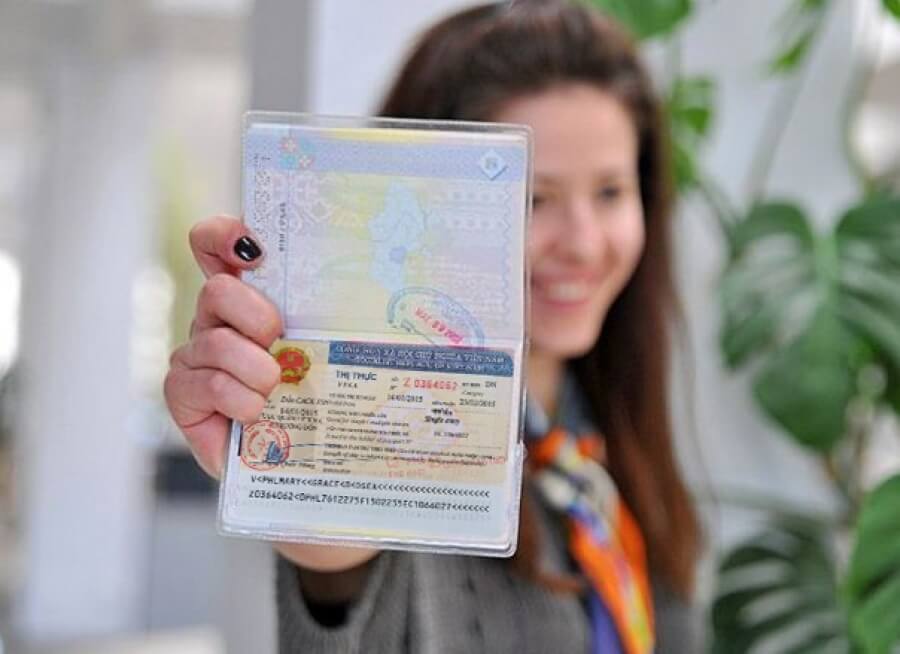
Q: Do I need a physical stamp or sticker for my exemption? A: No. If you fall under the exemption list, the officer will simply stamp your passport with an “entry permitted until [Date]” stamp. No prior paperwork is needed, making it the fastest way to clear immigration.