Vietnam Safety Travel Advice 2026: The Definitive Guide for Smart Travelers
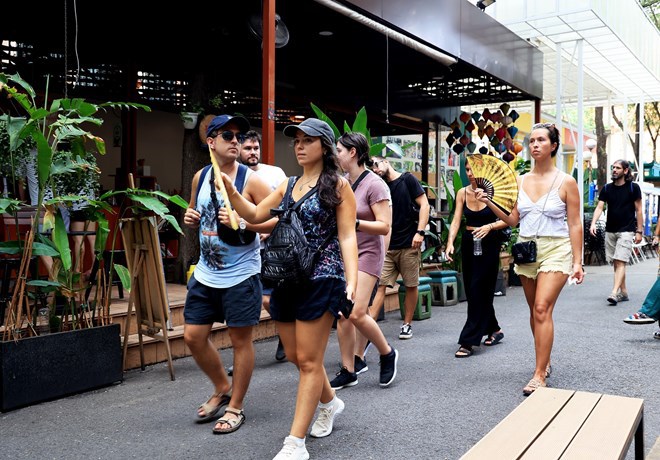
As we navigate through 2026, Vietnam continues to solidify its reputation as one of the safest and most welcoming destinations in the Asia-Pacific region. Ranked consistently in the top tier of the Global Peace Index (GPI), the country offers political stability, low crime rates, and a culture that treats guests with profound respect.
However, “safe” doesn’t mean “careless.” To move with ease through the chaotic charm of Ho Chi Minh City or the misty mountains of Sapa, you need local intelligence. This 2026 guide provides immediate, actionable advice to expedite your safety preparations.
1. General Safety Overview: Is Vietnam Safe in 2026?
The short answer: Absolutely. In 2026, major international travel advisories (including Smartraveller and travel.state.gov) maintain that visitors should “Exercise normal safety precautions.”
Violent Crime: Extremely rare against tourists. Vietnam remains a sanctuary of peace, largely unaffected by global geopolitical frictions.
Political Stability: High. The country is well-governed and tourism infrastructure is a national priority.
Solo Female Travel: Vietnam is widely recognized as a premier destination for solo women. Harassment is statistically lower than in many Western capitals.

Vietnam Safety Travel Advice 2026: The Definitive Tourist Guide
2. Navigating the “Chaos”: Traffic and Road Safety
If you ask a local about the “most dangerous” thing in Vietnam, they won’t say crime—they will say the traffic. In 2026, despite improved infrastructure and new Metro lines in Hanoi and Saigon, the streets remain a river of motorbikes.
Expert Advice for Road Safety:
Crossing the Street: Walk at a slow, steady pace. Do not stop or run. Drivers will predict your path and weave around you. Maintain eye contact with oncoming riders.
Riding Motorbikes: Avoid riding without a valid Vietnamese Driver’s License. In 2026, insurance companies are strictly denying claims for those riding illegally.
Transport Apps: Always use Grab or Be for cars and bikes. These apps provide fixed pricing, GPS tracking, and driver identity verification, eliminating the risk of overcharging.
3. Common Scams and How to Avoid Them
While physical safety is high, “petty nuisances” or tourist scams are the most reported issues.
The Shoe Shine/Repair Scam: A vendor may point at your shoes and start “fixing” them without consent, then demand a high fee. Politely but firmly say “No” and keep walking.
The Coconut/Bamboo Stick Photo: A vendor places a carrying pole on your shoulder for a photo, then demands you buy expensive coconuts. Agree on a price before touching any props.
SIM Card Scams: Always buy SIM cards from official Viettel or Vinaphone counters at the airport. Avoid third-party street vendors who sell cards that may expire prematurely.
Currency Confusion: In 2026, the VND 20,000 and VND 500,000 notes still look similar in low light. Always double-check your zeros before handing over cash.
4. Health and Medical Safety in 2026
Vietnam’s healthcare has seen significant modernization. Major cities now feature international-standard hospitals (such as FV Hospital or Vinmec) with English-speaking staff.
2026 Health Checklist:
Water Safety: Never drink tap water. Stick to sealed bottled water or boiled water provided by hotels.
Insect-Borne Diseases: Dengue fever and Zika remain risks. Use repellents containing DEET or Picaridin, especially in rural areas like Ha Giang or the Mekong Delta.
Air Pollution: In large cities like Hanoi, air quality can fluctuate. If you have respiratory issues, carry a high-quality N95 mask for heavy traffic days.
5. Safety Tips by Region
Ho Chi Minh City (District 1): Be cautious of “bag snatching” by drive-by motorbikes. Keep your phone away from the curbside when navigating.
Hanoi (Old Quarter): Watch out for aggressive street vendors. Stay in well-lit areas during the late hours.
Da Nang & Hoi An: Generally considered the safest cities in Vietnam. Focus on sun protection and water safety at the beaches.
6. Emergency Contacts for Tourists (2026)
Keep these numbers saved in your phone. In 2026, most emergency dispatchers in major hubs have basic English capabilities.
Police: 113
Fire Department: 114
Ambulance/First Aid: 115
Tourist Support Hotlines: Available in major cities (Hanoi: 024 3926 1515).
7. Frequently Asked Questions (FAQ)
Q: Is it safe to eat street food in 2026? A: Yes, street food is a highlight of Vietnam. To stay safe, choose stalls with high turnover (lots of locals) and look for cooked-to-order dishes. Avoid raw salads or ice in remote areas.
Q: Can I use my phone openly on the street? A: In 2026, it is safe, but use “two-hand grip” and stay away from the edge of the road to prevent opportunistic snatching in crowded cities.
Q: Do I need travel insurance for Vietnam? A: Essential. Ensure your policy covers medical evacuation and motorbike accidents (only if you are licensed).