Vietnam Entry Secrets – Best Way to Enter Vietnam Without Delay
The best way to enter Vietnam without delay involves careful planning, securing the correct visa in advance, and understanding the current entry regulations. This article explores different visa options, airport procedures, and potential pitfalls that could lead to delays ensuring a smooth arrival.
Understanding Vietnam’s Visa Landscape
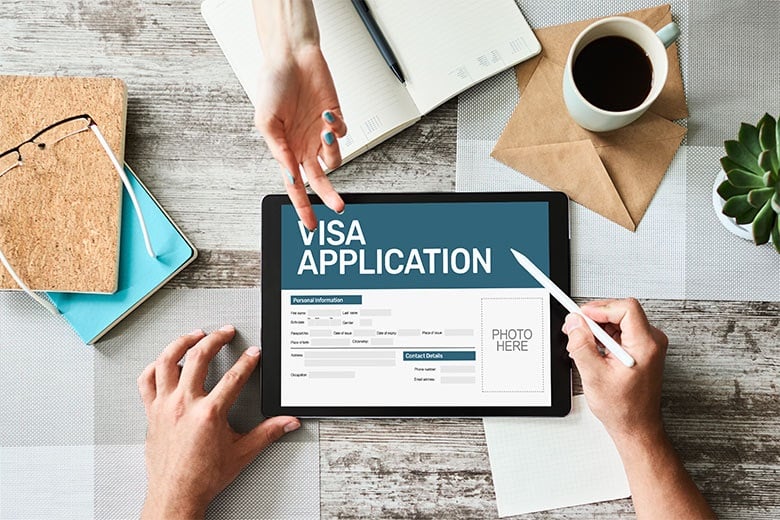
Gaining entry to Vietnam efficiently hinges on your grasp of its ever-evolving visa requirements. Misunderstanding these can lead to unwelcome delays or even denied entry. This section delves into the main types of visas, the necessary documentation, and where to source reliable information to navigate this crucial aspect of your travel preparations.
Before diving into sub-sections: It’s important to emphasize the critical role of thorough research and proactive preparation when it comes to Vietnamese visas. Don’t rely solely on anecdotal advice; instead, consult official sources and ensure your documents are impeccable.
Visa Types – Choosing the Right One
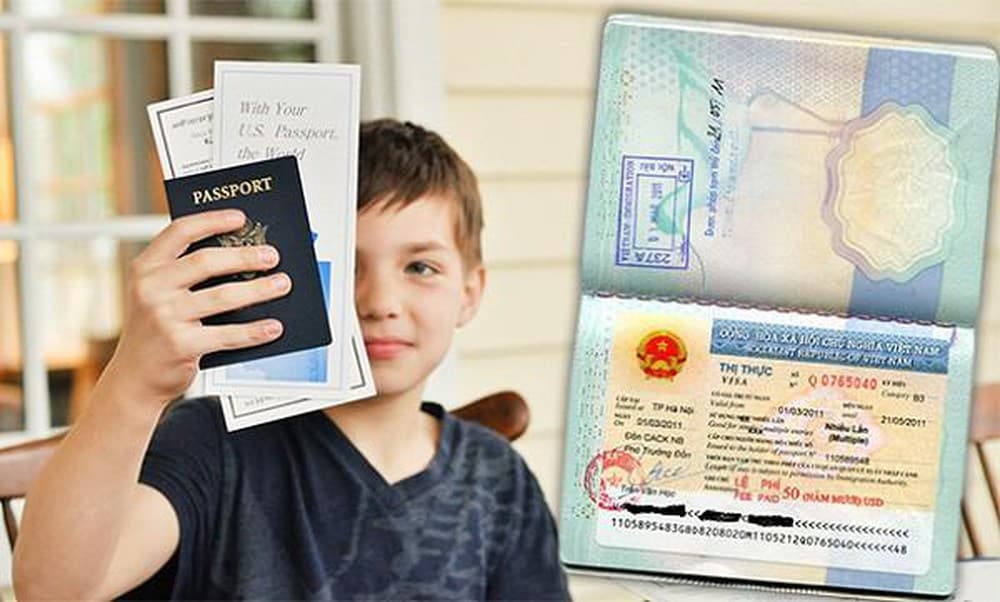
Vietnam offers a variety of visas depending on your purpose of visit: tourist visas, business visas, student visas, and work visas, among others. The most common is the tourist visa, typically valid for 30 or 90 days, allowing single or multiple entries depending on your needs and travel plans. A business visa is for those engaging in commercial activities, requiring sponsorship from a Vietnamese company. Carefully consider your intentions when choosing a visa type; misrepresenting your purpose can have serious consequences. If you’re uncertain, seek clarification from the Vietnamese embassy or consulate in your country.
Ensuring you have the correct visa is paramount. For example, if you plan to attend business meetings even briefly while on vacation, a tourist visa might not be sufficient. You could risk fines, deportation, or even future visa application denials. Understanding the nuanced differences between visa categories, and planning accordingly, will help to ensure entering the country smoothly. Many find that using a reputable visa agency is helpful, but remember to double-check the information they provide against official government sources.
Finally, it’s also worth noting the rise of e-visas, which are particularly convenient for short stays and tourist purposes. They eliminate the need to physically submit your passport, streamline application, and result in quick processing times. However, check that your intended point of entry accepts e-visas, as not all border crossings or airports may be equipped to accommodate them. Furthermore, make sure you download and print out your full e-visa to provide at point of entry.
Essential Visa Documentation
The documents required for a Vietnamese visa application typically include your passport (with at least six months of validity), a completed application form, passport-sized photos, and supporting documents depending on the visa type. For a tourist visa, this might include your itinerary, flight bookings, and hotel reservations. For a business visa, you’ll need a letter of invitation or sponsorship from a Vietnamese company. Ensure all documents are accurate, consistent, and up-to-date. Any discrepancies or missing information can lead to delays or rejection.
High-quality photocopies of your passport and visa are invaluable. Store these separately from your originals, and email them to yourself for easy access, should your documents get lost or stolen. Keep in mind that the requirements may vary slightly depending on the Vietnamese embassy or consulate you’re applying through, so consulting their specific guidelines is essential. Prepare all supporting material meticulously and be patient during the application process.
Proving your visa application is as much about attention to detail as it is about following instructions. One common pitfall is providing substandard passport photos; ensure they meet the exact size and background requirements, as specified by Vietnam’s immigration authorities. Another frequent error is neglecting to provide evidence of sufficient funds to cover your stay in Vietnam. In some cases, you may have to provide bank statements or other documentation to prove your financial stability. Anticipating these potential issues and addressing them proactively can prevent significant delays in visa processing.
Staying Updated with Visa Regulations
Vietnam’s visa regulations can change frequently; therefore, it’s crucial to stay updated with the latest information from official sources before your trip. The website of the Vietnamese embassy or consulate in your country is the most reliable source. Subscribe to travel advisories or consult reputable travel agencies specializing in Vietnam to stay informed of any changes. Don’t rely solely on outdated information or unofficial sources, as this can lead to incorrect assumptions and potential problems upon arrival.
The COVID-19 pandemic significantly impacted visa regulations globally, and Vietnam was no exception. As the world recovers, it’s important to check the latest entry requirements related to vaccinations, testing, and quarantine measures. This information may evolve rapidly, so keeping abreast of developments is paramount. Moreover, be aware of any regional variations in visa regulations, as certain provinces or areas may have specific requirements or restrictions.
Finally, proactively checking visa regulations offers peace of mind and reduces the risk of encountering unwelcome surprises upon arrival in Vietnam. Staying informed gives you a significant edge in achieving a smooth and hassle-free entry.
Visa on Arrival (VOA) – Weighing the Pros and Cons
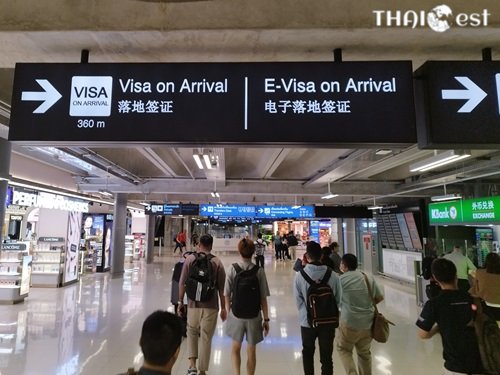
The Visa on Arrival (VOA) option presents a convenient alternative for some travelers to Vietnam. It involves obtaining an approval letter online before arrival and then getting the visa stamped at a Vietnamese airport upon landing. However, this method has its own set of considerations and potential downsides. Understanding the VOA process, its advantages, and its limitations is vital in determining whether it aligns with your travel needs and priorities.
Before diving into sub-sections: Visa on Arrival (VOA) is tempting due to its accessibility, it’s crucial to analyze its feasibility based on your nationality, entry point, and personal tolerance for potential delays. While VOA can save time, it isn’t suitable for everybody.
The VOA Application Process
The VOA process begins with applying for an approval letter through a visa agency. This involves filling out an online form with your passport details, travel dates, and the intended entry airport. Once the agency processes your request, they’ll email you the approval letter. Print this letter, along with your passport, photos, and the visa stamping fee in US dollars, and present them to the immigration officer at the VOA counter upon arrival in Vietnam.
One common misconception about VOA is that it eliminates the need for any paperwork. In reality, you still have to fill out an entry/exit form upon arrival which can take some time, especially during peak hours. If you have a visa ahead of the travel date you’ll save time in waiting lines. Also, keep in mind that even with an approval letter, the immigration officers have the final say on whether to grant you a visa. If there are any discrepancies in your documents or something raises their suspicion, they can delay or even reject your entry.
Finally, the VOA process requires some logistical preparation. Ensure that you have US dollars for the visa stamping fee, as other currencies are not always accepted and ATMs near the VOA counter can be unreliable. Having small denominations can expedite the process. A pen is also helpful for filling out the entry/exit form.
Advantages of VOA
One of the main advantages of VOA is its convenience. You don’t need to physically submit your passport to an embassy or consulate, and the application process is typically faster and simpler than traditional visa applications. VOA can be particularly useful for last-minute trips or for travelers who live far from a Vietnamese embassy or consulate. Plus, it can be cheaper than getting a visa through an embassy, as you avoid mailing costs and processing fees.
VOA can also be advantageous if you’re unsure of your exact travel dates when you initially plan your trip. The approval letter is usually valid for a specific period, allowing some flexibility in your travel arrangements. However, always check the validity period to avoid any issues upon arrival.
For some travelers, the VOA process can add an element of spontaneity to their travel plans. It offers the option to delay firming up the details until closer to the departure date. While this approach may not suit everyone, it can be useful for those who thrive on flexibility. However, it remains essential to leave ample time for the VOA process to avoid last-minute stress.
Risks and Potential Drawbacks
Despite its convenience, VOA has its risks and potential drawbacks. The long queues at the VOA counter can be frustrating, especially if several flights arrive simultaneously. The process can take up to an hour or more, depending on the airport and the time of day. There’s also the risk of encountering unscrupulous visa agencies that inflate fees or provide fraudulent approval letters. Always choose a reputable agency with positive reviews and clear pricing.
Another disadvantage of VOA is that its availability is limited to certain entry points. You can only obtain a VOA at specific international airports in Vietnam, such as Hanoi’s Noi Bai, Ho Chi Minh City’s Tan Son Nhat, and Da Nang International Airport. Plan your arrival accordingly, as incorrect entry can result in denial of the visa.
Furthermore, it must be noted that some nationalities are either ineligible for VOA or face additional requirements. Always check your specific circumstances and familiarize yourself with specific information regarding your passport. Doing so will ensure that you are eligible for, and can avail of, the convenient option of VOA. Understanding all the potential downsides is crucial when deciding whether the VOA route aligns with your travel needs, priorities, and expectations.
Optimizing Airport Procedures for Speedy Entry

Navigating Vietnamese airports efficiently is crucial for a smooth and timely entry. Understanding airport layouts, streamlining your baggage process, and proactively preparing for immigration and customs checks can significantly shorten your wait times and reduce potential issues. This section highlights key strategies to optimize your airport experience from arrival to departure.
Before diving into sub-sections: Vietnam’s international airports can be hectic, especially during peak tourist seasons. Preparation and a proactive approach go a long way in reducing stress and streamlining the entry process.
Navigating Immigration and Customs
Upon arrival, proceed directly to the immigration counters. Have your passport, visa (or VOA approval letter), and entry/exit form readily available. Fill out the form accurately and legibly to avoid delays. Be prepared to answer questions about your purpose of visit, intended length of stay, and accommodation details. Once you clear immigration, collect your baggage and proceed to customs. Declare any items that may be subject to import duties or restrictions.
One common mistake is rushing through the immigration process, neglecting to double-check the information on their landing card. This can lead to unnecessary questions, delays, and potentially even fines. It’s always recommend pausing to verify information before presenting it to the immigration officer. Another helpful tip is preparing for potential language barriers. A few basic Vietnamese phrases can be helpful in communicating more effectively with the immigration and customs officials.
After clearing customs, double-check your claim ticket with the number written on the handle to make sure you have got your luggage. Report to the nearest officer available on the airport if you have problem with your luggage.
Maximizing Baggage Efficiency
To maximize baggage efficiency, pack light and carry-on whenever possible. If you must check luggage, label it clearly with your name, address, and contact information. Consider using a baggage tracker to monitor your bag’s location. Upon arrival, proceed promptly to the baggage claim area and keep your baggage claim tag handy. If your luggage is delayed or lost, immediately report it to the airline’s baggage service desk and file a claim.
One proactive measure is to take photos of the contents of your luggage before your trip. This aids in filing an accurate claim with the airline, should the baggage get lost. Another useful tip is to pack essential items, such as medications and a change of clothes, in your carry-on bag in case of baggage delays.
Ensuring your bags are easily identifiable can also expedite the baggage claim process. Consider using brightly colored luggage tags, ribbons, or other forms of personalization to distinguish between yours and those of other passengers. Finally, if you’re traveling with fragile or valuable items, consider declaring them to the airline. This will allow them to take extra precautions during handling.
Utilizing Airport Services and Amenities
Leveraging airport services and amenities can significantly enhance your overall airport experience. Many Vietnamese airports offer fast-track services for immigration and security, which can be particularly useful during peak hours. Consider accessing airport lounges for a comfortable and relaxing environment, especially if you have a long layover. Take advantage of free Wi-Fi to stay connected and informed, and make use of airport maps and information desks.
Booking airport transfer services in advance can also save time and ensure a smooth transition to your hotel. Furthermore, take the time to familiarize yourself with emergency contact information and medical facilities available at the airport.
One proactive measure is to download a map of the airport, including gate locations, to your phone before your trip. This will allow you to easily navigate to your connecting flight or departure gate, regardless of Wi-Fi availability. Furthermore, if you have any mobility issues, consider requesting assistance from the airline or airport authorities. Being proactive in utilizing these services can transform your airport experience.
| Strategy | Description | Benefit |
|---|---|---|
| Visa Pre-Approval | Secure a visa or VOA approval letter before your trip. | Avoid delays at the airport visa counter and potential rejection. |
| Pack Light | Maximize carry-on and minimize checked luggage. | Reduce time spent at the baggage claim area and the risk of lost luggage. |
| Utilize Fast-Track Services | Pay for fast-track services at immigration and security. | Reduce waiting times during peak hours. |
| Download Airport Map | Download a map of the airport before your trip. | Navigate efficiently and avoid getting lost. |
| Arrange Airport Transfer | Book airport transfer services in advance. | Ensure a smooth and quick transition to your hotel. |
Avoiding Common Entry Pitfalls
Even with meticulous planning, things can go wrong. Being aware of common pitfalls that travelers face when entering Vietnam and knowing how to avoid them can save you time, money, and unwanted stress. This section highlights potential issues and provides practical tips for a smooth entry process.
Before diving into sub-sections: While much of successful entry involves proactive planning, understanding possible hiccups is also key. Knowledge of these pitfalls and the ability to address them swiftly is an important.
Scams and Overcharging
Be wary of potential scams and overcharging, especially at airports and tourist areas. Unofficial taxi drivers or touts may try to charge exorbitant fares or direct you to overpriced hotels or restaurants. Use reputable taxi companies or ride-hailing services, and negotiate the price beforehand. Be cautious of unsolicited offers of assistance, as they may come with hidden costs.
One common mistake to avoid is accepting help with your luggage from individuals who approach you in the baggage claim area. These individuals may demand payment for their services, even if you didn’t request their assistance. Another common scam involves exchanging currency at unauthorized vendors who offer inflated exchange rates. In such scams, travelers often receive counterfeit bills or get shortchanged. To avoid this, stick to reputable banks or authorized currency exchange counters.
The key to avoiding potential scams and overcharging lies in remaining vigilant, assertive, and informed. By familiarizing yourself with common scam tactics and employing proactive strategies, you’ll be better equipped to navigate the Vietnamese tourism industry and ensure a hassle-free travel experience.
Overstaying Your Visa
Overstaying your visa is a serious offense in Vietnam, resulting in fines, detention, deportation, and potential bans from re-entering the country. Keep track of your visa expiration date and plan your exit accordingly. If you need to extend your visa, apply well in advance through the immigration department. Do not rely on unofficial sources or informal arrangements, as they may not be legitimate.
One proactive measure is to set a reminder on your phone a few weeks before your visa expires. This will give you time to apply for an extension if needed, or make necessary travel arrangements. Another helpful tip is making a physical copy of your visa and passport information. Furthermore, the responsibility of adhering to the visa rules lies entirely with the traveler; ignorance is not acceptable..
By understanding the consequences of overstaying and adhering visa process, you can travel with peace of mind.
Unclear Customs Declarations
Inaccurate or incomplete customs declarations can lead to delays, fines, or even confiscation of goods. Declare all items that may be subject to import duties or restrictions, such as electronics, high-value items, or large quantities of cash. Be aware of items that are prohibited from import, such as certain types of food, drugs, weapons, or pornography. If in doubt, declare the item to customs officials and inquire about its legality.
One common mistake is assuming that small quantities of certain items will not be subject to import duties. Even small quantities of alcohol or tobacco may be subject to taxation. To ensure a trouble-free passage through customs, it is always best to declare uncertain items and follow the directions of the custom officials.
Preparing a precise packing list, in addition to the items to declare, can accelerate the customs declaration process. This demonstrates to customs you have clear inventory of what you are bringing into the country and that you are not hoping to hide something from officials.
- Visa Type: Tourist, Business, Student, Work
- Key Documents: Passport, application form, photos, supporting documents (invitation letters, itineraries)
- Airport Entry Points: Hanoi (Noi Bai), Ho Chi Minh City (Tan Son Nhat), Da Nang International Airport
- Common Pitfalls: Scams, overcharging, visa overstays, unclear customs declarations
FAQs
Is VOA (Visa on Arrival) the best way to enter Vietnam without delay?
VOA can be convenient, but potential queues at the airport and the risk of issues with your approval letter might cause delays. Securing a visa in advance is generally faster and more reliable.
How can I avoid scams at the airport?
Use reputable taxi companies or ride-hailing apps, negotiate fares beforehand, and be wary of unsolicited offers of assistance.
What happens if I overstay my visa?
Overstaying your visa can lead to fines, detention, deportation, and potential bans from re-entering Vietnam.
Can I extend my visa while in Vietnam?
Visa extensions are possible, but apply well in advance through the immigration department. Do not rely on unofficial sources.
What items do I need to declare at customs?
Declare items subject to import duties or restrictions like electronics, high-value items, or large quantities of cash. Be aware of prohibited items like certain foods, drugs, or weapons.
Conclusion
Navigating entry into Vietnam smoothly requires careful planning and understanding its visa procedures. The best way to enter Vietnam without delay often involves securing a visa in advance, being diligent with airport procedures, and avoiding common pitfalls. Stay informed about regulations, prepare your documents meticulously, and be proactive in utilizing available airport services. These strategies contribute to a seamless and enjoyable experience, setting the stage for a memorable stay in Vietnam.
✅ VisaonlineVietnam.com – Trusted Vietnam Visa Services | Fast – Easy – Secure
VisaonlineVietnam.com is a top-rated and reliable Vietnam visa service provider, offering fast, secure, and hassle-free visa solutions for travelers from around the world. With over 20 years of experience in immigration consulting, we specialize in helping tourists, business travelers, and expats obtain their Vietnam eVisa or visa on arrival (VOA) efficiently and legally.
🌍 Why Choose VisaonlineVietnam.com?
- ✅ 100% Online Application – No embassy visit required
- ✅ Fast Processing Time – Get your visa in 4–8 working hours (urgent service available)
- ✅ Affordable Transparent Fees – No hidden charges
- ✅ 24/7 Support via Email, Phone WhatsApp
- ✅ Safe, Legal Government-Approved
- ✅ Specialized Services for Disabled Travelers, Families Business Visitors
- ✅ Serving customers from over 200 countries and territories
🛂 Visa Services We Offer:
- Vietnam eVisa (for 90+ nationalities) – Tourist Business purposes
- Visa on Arrival – For travelers arriving by air
- Urgent Visa Service – Same-day or 4-hour visa processing
- Visa Extension Renewal – For travelers already in Vietnam
- Visa for Disabled Travelers – Personalized assistance for accessibility
- Corporate Visa Services – For companies and business delegations
🔒 Why We’re Trusted:
VisaonlineVietnam.com is officially operated by a professional team with deep knowledge of Vietnam’s immigration policies, providing end-to-end visa solutions that prioritize convenience, security, and customer satisfaction.
We’ve successfully helped hundreds of thousands of travelers get their Vietnam visa quickly and legally – even in urgent or complicated cases.
🌟 Fast. Legal. Safe. Your Trusted Partner for Vietnam Visa.
Whether you’re visiting Vietnam for leisure, business, or family reasons, VisaonlineVietnam.com is your most reliable and user-friendly platform to get your visa done — fast, securely, and affordably.
💼 Visit our official website to apply now: https://visaonlinevietnam.com
📧 Email: [email protected]
📞 Phone/WhatsApp: (+84) 968 18 77 18
🌐 Available 24/7 – Global support